The work behind the work.
When a client comes in to talk about retirement, there’s usually a spreadsheet on the table. A number. A date. A plan to connect the two. The number is big enough to matter and small enough to worry about. The date is closer than expected. The plan is never finished. That’s the easy part.
The harder conversation, the one the numbers and graphs stand in for, is about what the next 20 or 30 years will actually feel like. What they want to do with their time. Who they want to spend it with. What they still want to say yes to at 75. How they want to be remembered by grandchildren not yet born. The portfolio is the servant to those answers. Not the other way around.
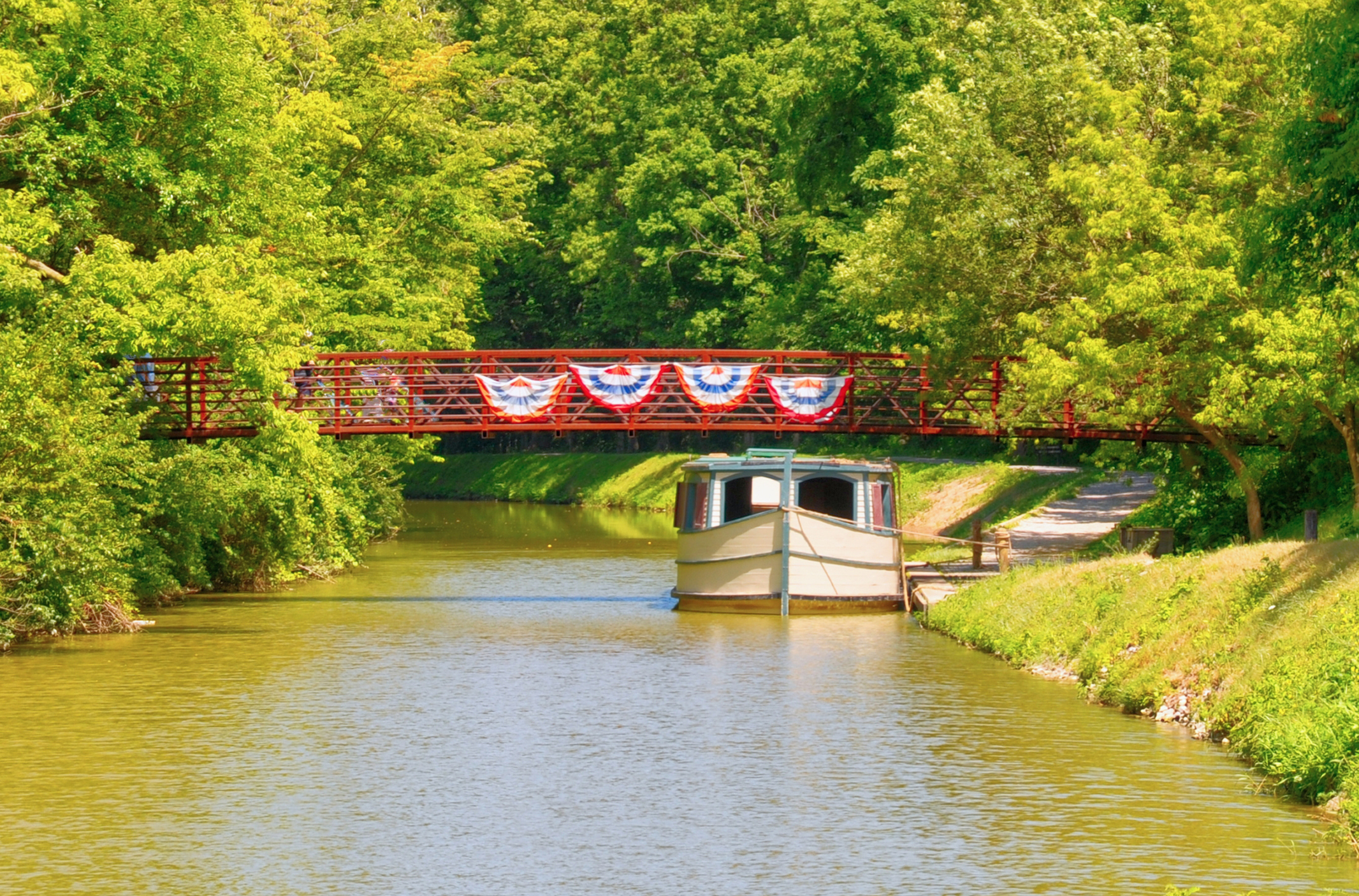
A few miles from our office, the Ohio & Erie Canal still cuts through the valley. It once carried coal, grain, and iron ore. Railroads made it obsolete. What remains is mostly trail, and a few stone lock chambers held together by time.
The lockkeeper didn’t own the canal. He didn’t build it. He didn’t choose the boats or their destinations. His job was narrower. When a boat arrived, he opened the gate, let water in, and raised it to the next level. When one came the other way, he lowered it. He worked in the space between what had happened and what came next, patiently with deliberate action. He knew the regular boats, the captains, the cargo, who was early, and who was behind. He made sure everyone got through.
That’s the work.
Markets aren’t canals, but the discipline rhymes. Water rises and falls. Sometimes too fast. Sometimes not enough. Most of the time, nothing happens, which is its own test, because the urge to act is almost always stronger than the need. A few things follow.
We think in decades, not quarters. If an idea only works through the lens of this year’s returns, it probably doesn’t work. Compounding happens slowly. Mistakes tend to happen quickly and feel urgent right before they prove irrelevant. Good investing is often supported by consistent application over a long time.
When prices outrun reality, defense is the right posture, and that has a cost. Defense costs you on the way up. That’s the tradeoff. And it’s uncomfortable. However, portfolios that fully participate on the way up return the favor on the way down, and recoveries don’t forgive large losses. We generally believe it can be preferable to lag a frothy market than fully participate in a broken one, especially early on in retirement. In our experience, many clients often find this tradeoff reasonable after time to reflect.
Prices overshoot on the downside too. When fear outruns facts and good businesses sell for less than they’re worth, the playbook flips. The same discipline that says ‘ease off when the water is high’ says ‘lean in when it’s low.’
That’s easy to admire and hard to do. Buying when headlines are grim and your statement is painful to open requires a framework you trust more than the crowd. Above average long-run gains have often been associated with investors willing to buy when it feels worst, precisely when most are selling, though outcomes depend on valuation, security selection, timing, and market conditions.
We help people navigate transitions with a disciplined plan for preserving and using their wealth and their lives on purpose. We don’t know what markets will do next. We do know what our clients are trying to build and how to get them through the next lock while keeping the boat on course.
That’s the work.
This material is provided for informational purposes only and reflects the views of the author as of the date written. It is not intended as investment advice or a recommendation. Investing involves risk, including the possible loss of principal. Past performance is not indicative of future results.